

What Does Neutrality Look Like for Small Countries Caught Between Big Powers?
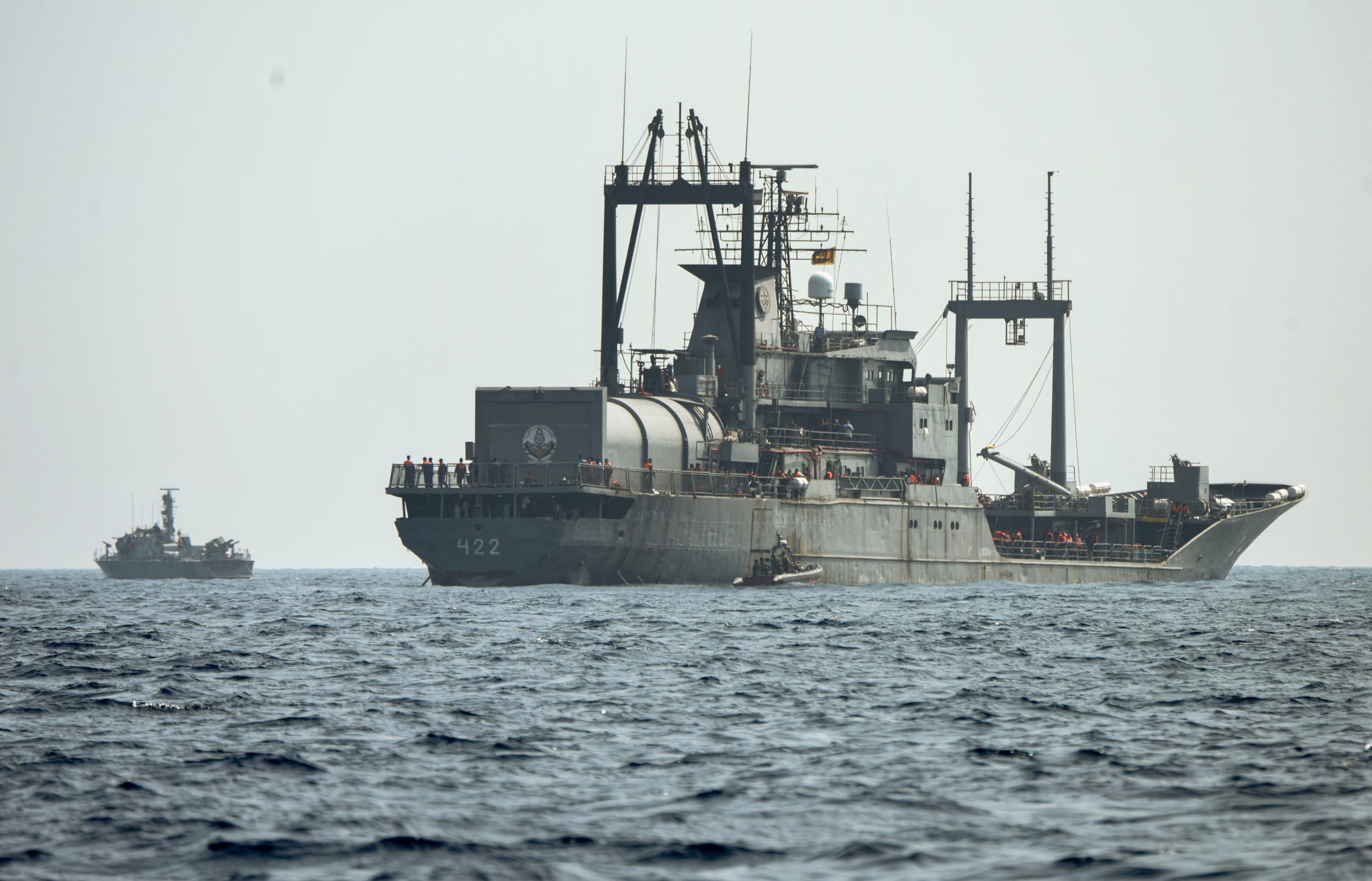
Sri Lanka turned down Iran and then the US for military access.
Sri Lanka turned down Iran and then the US for military access.
Inside Asia
March 20, 2026Sri Lanka declined permission for two U.S. combat aircraft to land at a civilian airport earlier this month.
The United States sought permission to land and park two military aircraft loaded with arms and ammunition at the Mattala Rajapaksa International Airport in the southern part of the country from March 4-8, two days before it first dropped bombs on Iran, according to Sri Lankan officials.
President Anura Kumara Dissanayake of Sri Lanka confirmed those accounts in a speech to Parliament on Friday.
The Sri Lankan government declined the U.S.’s request, citing its neutrality on the conflict in the Middle East, according to officials from the defense and foreign ministries. They also added that the U.S. did not pursue its request after the war began or explain why it had asked.
The request came at roughly the same time that the Sri Lankan government was deciding whether to accommodate a separate request from Iran to dock three of its warships in its waters, which it ultimately declined.
Days after the war started, the U.S. torpedoed an Iranian warship off the coast of Sri Lanka. The Sri Lankan government is now hosting the survivors of that strike, as well as sailors from another Iranian warship.
The U.S. had made the request on February 26. The same day Iran requested three of its ships to make a goodwill visit to Sri Lanka from March 9-13 after participating in an Indian naval exercise. That request was also denied.
The U.S. and Israel launched attacks on Iran on February 28, leading to a regional war that has severely restricted energy supplies and rattled markets.
The U.S. request and Sri Lanka’s reluctance to accommodate it are another example of the diplomatic balancing act that many small countries are facing as they try to avoid being drawn into the war with Iran.
Under normal circumstances, the American request would not have been unusual. Sri Lanka and the United States have had military ties for decades, and the island nation is strategically important for U.S. goals in the Indo-Pacific region.
Sri Lanka and the United States have cooperated on supply and logistics involving military equipment in the past, said Prasad Kariyawasam, a former secretary of the foreign ministry. U.S. aircraft have used Sri Lankan airports to drop off and pick up war-related equipment several times in the past, “but that’s not if a war is going on,” Mr. Kariyawasam said.
The United States is Sri Lanka’s biggest export market for apparel, and it has struggled in the past year under the tariffs imposed by President Trump.
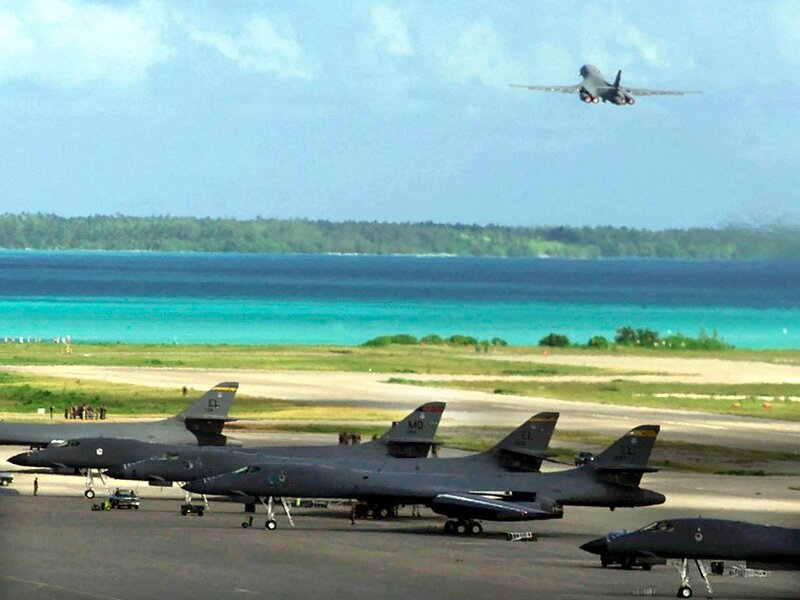
The Chagos Archipelago is a group of about sixty small islands in the middle of the Indian Ocean currently administered by the United Kingdom as the British Indian Ocean Territory (BIOT).
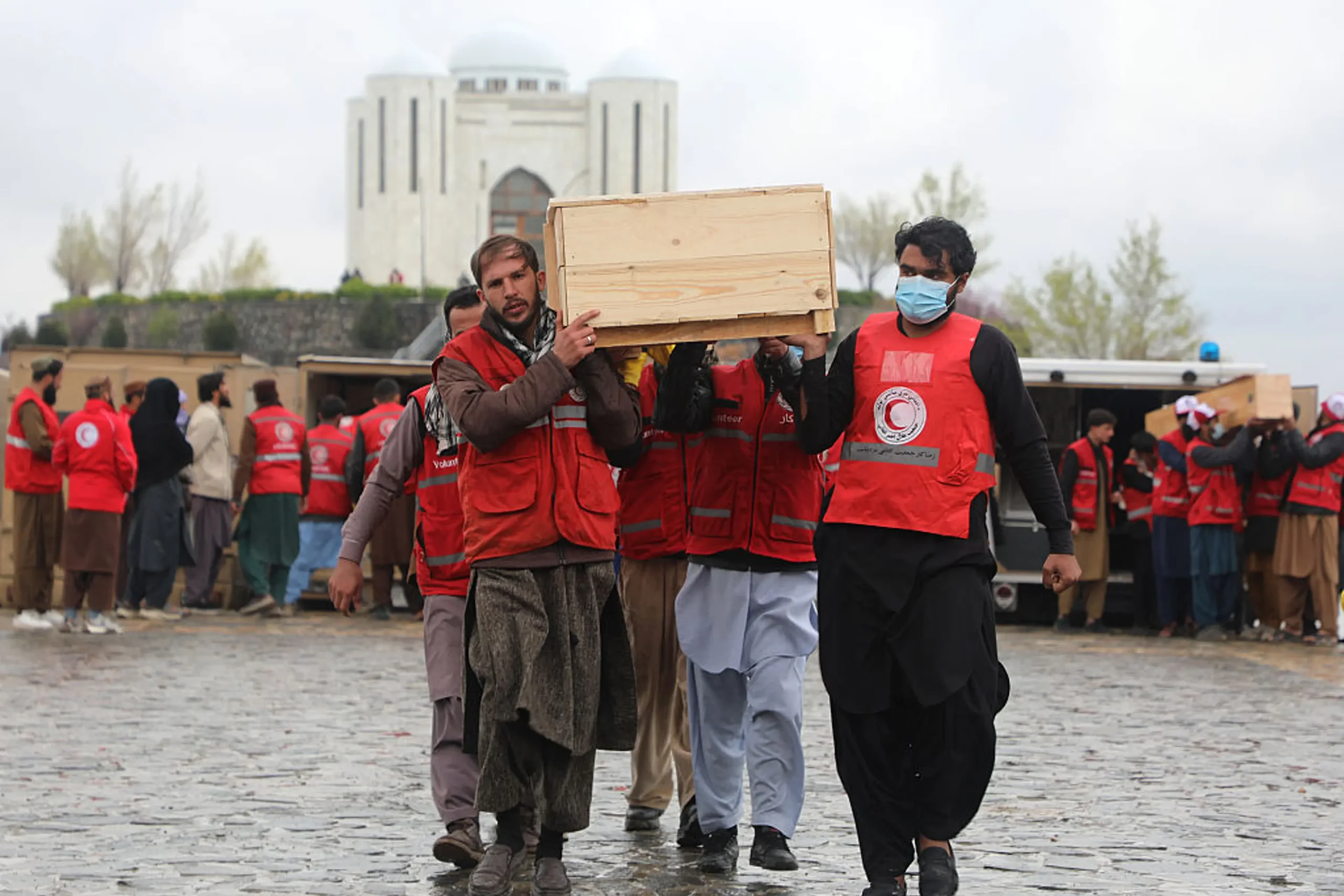
While attention is fixed on Iran, a Pakistan–Afghanistan war is redrawing South Asia’s power map.
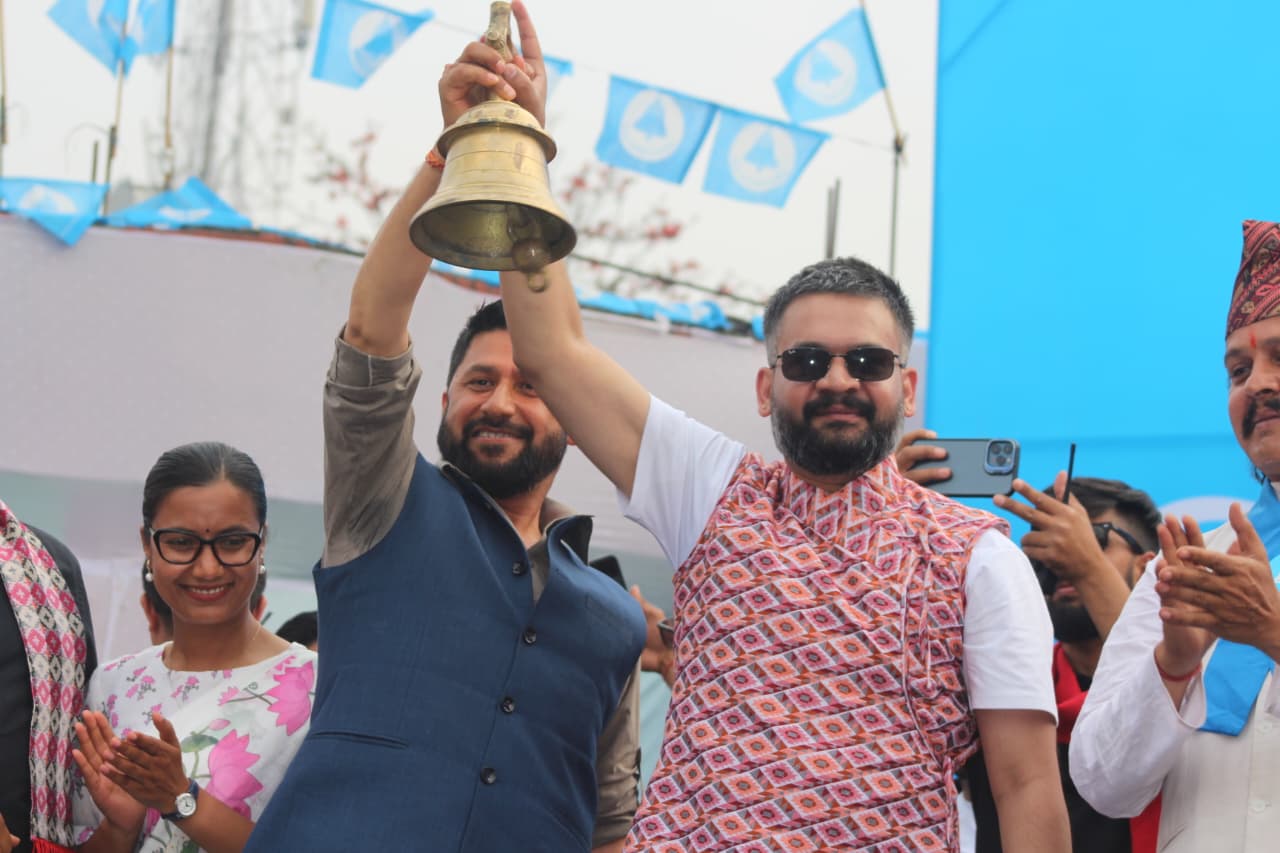
The Rastriya Swatantra Party (RSP) has secured a number of seats close to a two-thirds majority in the House of Representatives election held under difficult circumstances.
And stay on top of the issues that matter most.