What Does Neutrality Look Like for Small Countries Caught Between Big Powers?
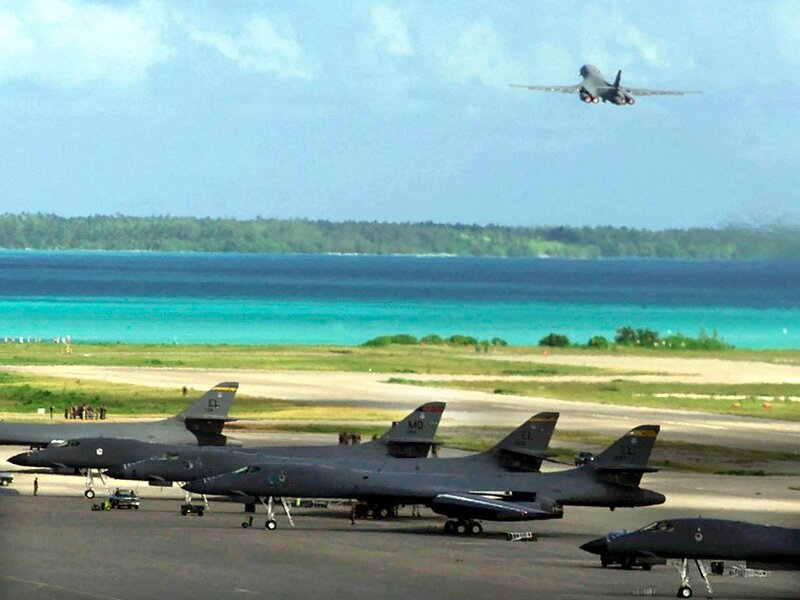
Sri Lanka turned down Iran and then the US for military access.
By Inside Asia
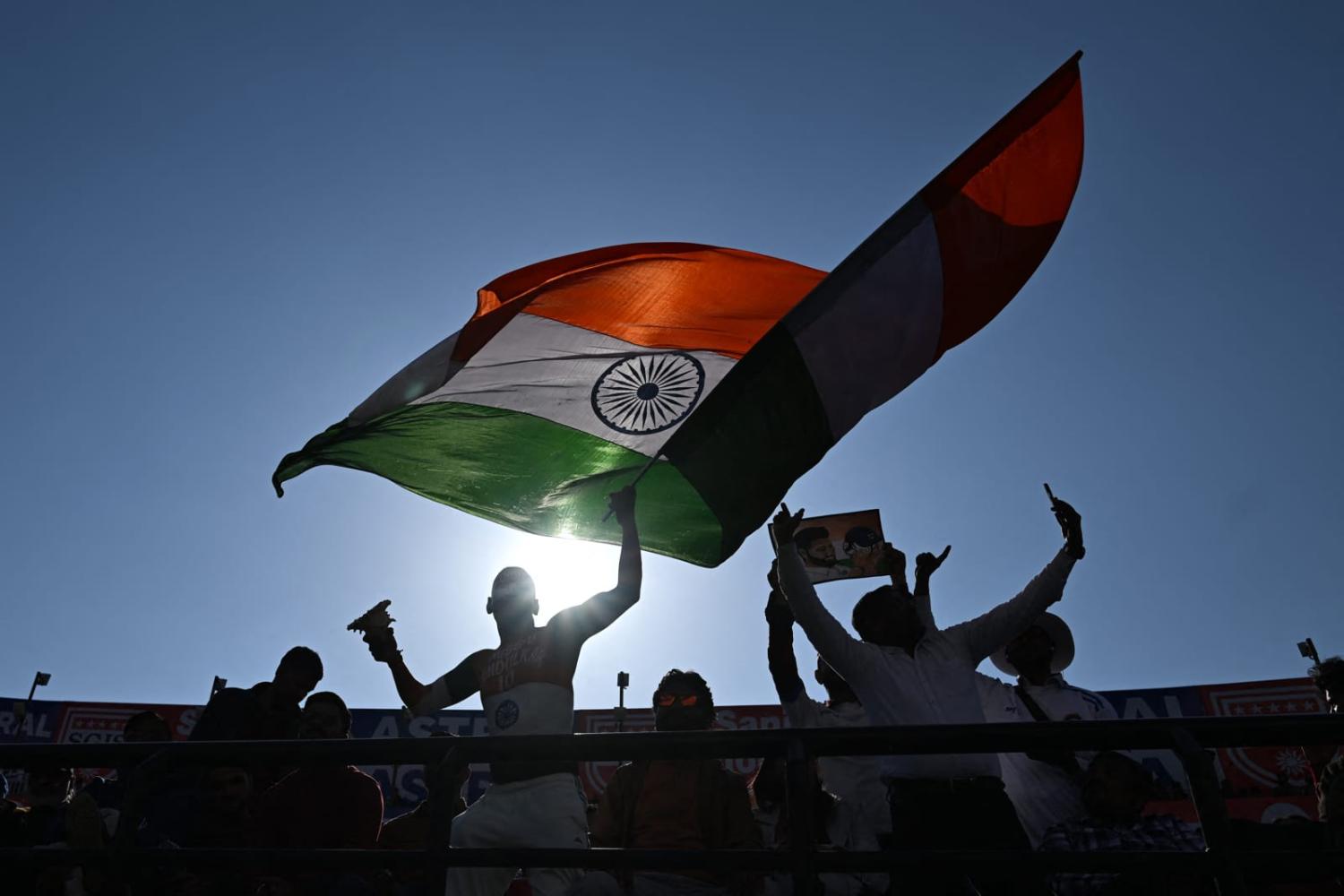
As India appoints a seasoned diplomat as its next ambassador to China, political analyst Sumit Ganguly explains India’s changing geopolitics.
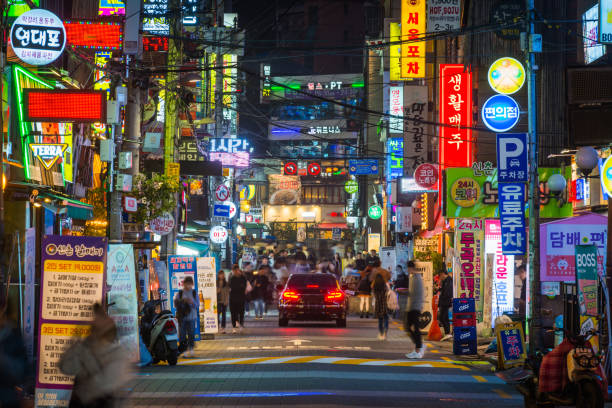
South Korea’s future depends on whether it can shift from viewing migrants as temporary.
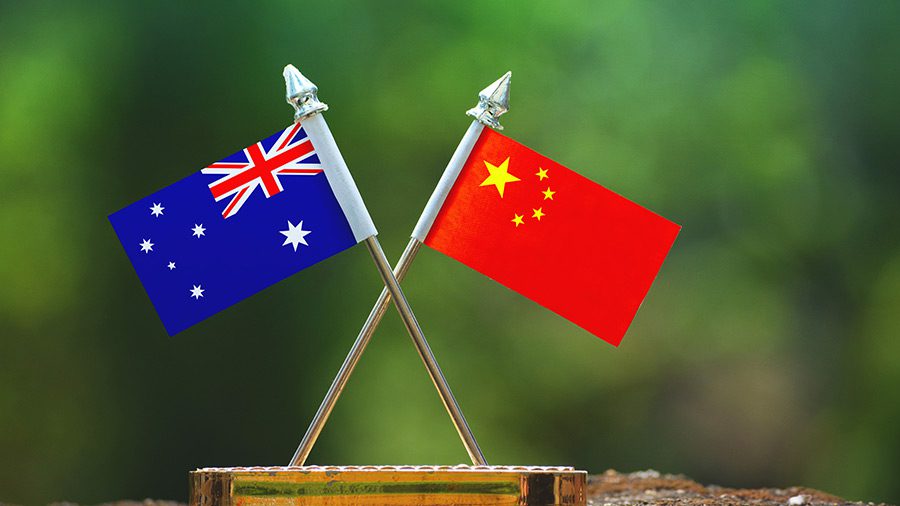
A decade after sealing a landmark trade pact, Australia is reopening the books on its economic ties with China.
Even without a formal closure of the Strait of Hormuz, conflict in and around the Gulf is already altering shipping patterns
Continue your ideas and help shape the debates taking place across Asia—through fresh perspectives, grounded analysis, and bold questions that matter. Join a growing community of writers and readers exploring politics, society, culture, and the future of the region.
Submission DetailsWe feature bold ideas, sharp insights, and diverse perspectives on Asia’s evolving political, economic, social, and technological forces—and how they shape both Asia and the world.
Read MoreDeploying the technology is the real world is proving tricky.
The Economist
Beijing Seeks to Decipher Effect of Iran War on U.S. Midterms and Best Way to Apply Pressure When Trump Meets Xi
The Guardian
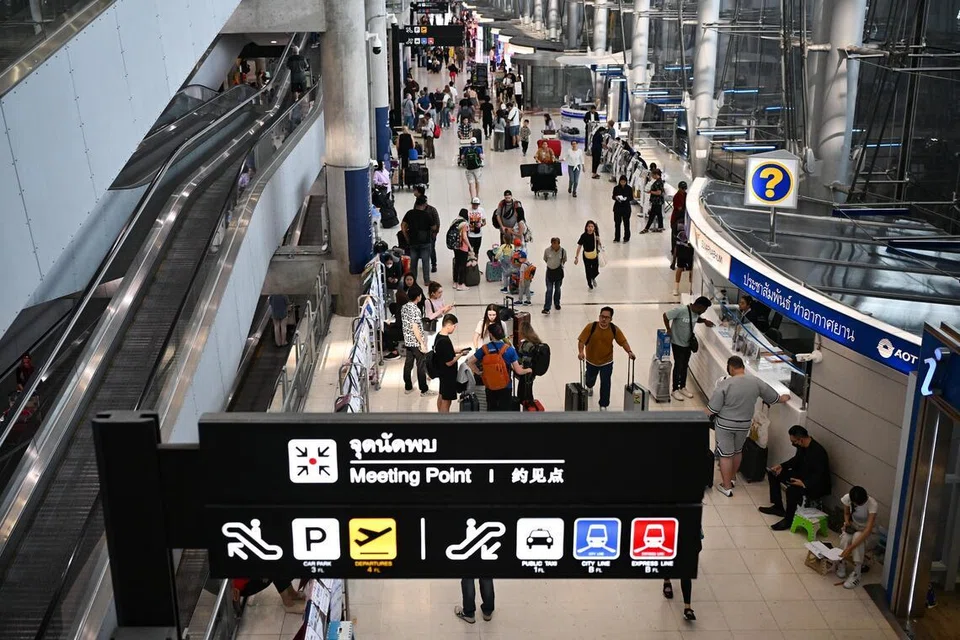
From New Delhi to Bangkok, governments are bracing for a new wave of inflation driven by disruptions in the world’s most important energy corridor.
Times
And stay on top of the issues that matter most.
commentary
Oil, Trade and Uncertainty: What the Middle East Conflict Means for Malaysia’s Economy
Rising transportation and energy costs could gradually feed into broader inflation, increasing operating costs for businesses and living costs for households.
By Andrew Woon