

Will The Middle East Conflict Derail Thailand’s Tourism Recovery?
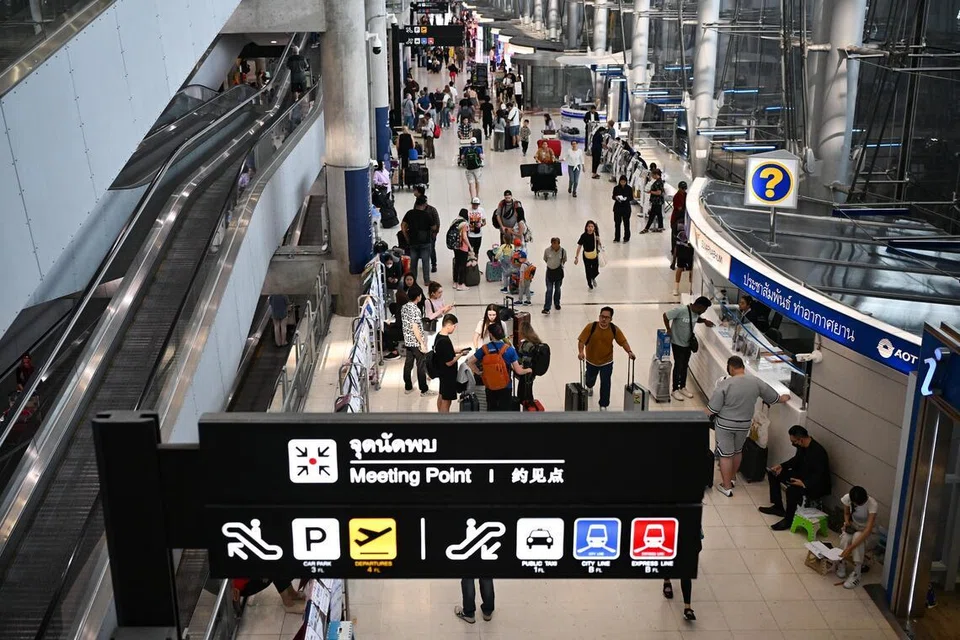
Most notably, arrivals from Europe and the Middle East – who often transit through hubs like Dubai – plummeted by 18 per cent.
Most notably, arrivals from Europe and the Middle East – who often transit through hubs like Dubai – plummeted by 18 per cent.
Inside Asia
March 24, 2026Thailand’s bold efforts to revive its tourism sector following the pandemic are encountering a major obstacle, as the intensifying conflict in the Middle East throws international flight routes into disarray and erodes the confidence of would-be travellers.
After a year that saw overseas visitor numbers slip by 7 per cent to 32.9 million, key figures in the tourism industry are now cautioning that if hostilities continue for an extended period, the country could suffer revenue losses reaching as high as 29 billion baht (S$1.14 billion).
The growing military tensions involving the United States, Israel, and Iran have compelled airlines around the world to redirect their aircraft away from the affected regions of airspace. As reported by Nikkei Asia, these alternative routing decisions have driven up operating expenses considerably, with fuel costs bearing the brunt of the increase. Mr Thienprasit Chaiyapatranun, who serves as president of the Thai Hotels Association (THA), pointed out that the need to take longer, circuitous flight paths is having a direct and tangible effect on what passengers pay for their tickets.
Thai Airways has already moved to raise its fares by anywhere between 10 and 15 per cent, a decision that a number of international carriers have similarly adopted. “When travel becomes more expensive across the board, holidaymakers may simply opt to skip Thailand altogether,” Mr Thienprasit cautioned.
The impact has been especially pronounced among visitors from Europe and the Middle East — many of whom travel via connecting hubs such as Dubai — with arrivals from these regions falling sharply by 18 per cent. European tourists are of particular importance to resort destinations like Phuket, which the THA has flagged as being especially vulnerable to a prolonged downturn.
Figures released by the Ministry of Tourism and Sports indicate that Thailand received upwards of 7.4 million international visitors between January 1 and March 11, 2026, yet this still represents a 4.4 per cent decline when measured against the equivalent period in 2025.
The ripple effects of this tourism slowdown are being felt well beyond the arrivals hall. Central Retail, the country’s dominant department store group, is bracing for a 1 per cent contraction in profits in 2026, with its chief executive Suthisarn Chirathivat attributing the revised forecast to climbing operational costs and reduced spending by tourists.
Economists at the University of the Thai Chamber of Commerce have painted a stark picture: losses could range between nine billion and 20 billion baht should the conflict persist for one to three months, potentially climbing to 29 billion baht if it drags on past six months.
Given that tourism contributes roughly 20 per cent of Thailand’s gross domestic product, the Ministry of Tourism has been quick to recalibrate its approach. Permanent secretary Ms Natreeya Taweewong noted that although daily arrivals have held steady at over 100,000, attention is increasingly turning toward high-growth markets less disrupted by Middle Eastern airspace closures, including China, India, and Malaysia.
Malaysia led all source markets in 2025, sending 4.5 million visitors to Thailand, with China close behind at 4.4 million. The Tourism Authority of Thailand is now stepping up its promotional campaigns in these countries, with a particular focus on Gen Z travellers and family groups. A new “Mekong Riverside” programme spanning seven provinces has also been unveiled to spotlight authentic, locally rooted cultural experiences and encourage sustainable tourism.
Despite these geopolitical pressures, Thailand has reason for cautious optimism following Bangkok’s recognition as the world’s most-visited city in 2025. “The fact that more than 7.4 million tourists have already arrived reaffirms that global travellers still place their trust in Thailand,” Ms Natreeya observed, underlining the country’s enduring appeal as a world-class destination.
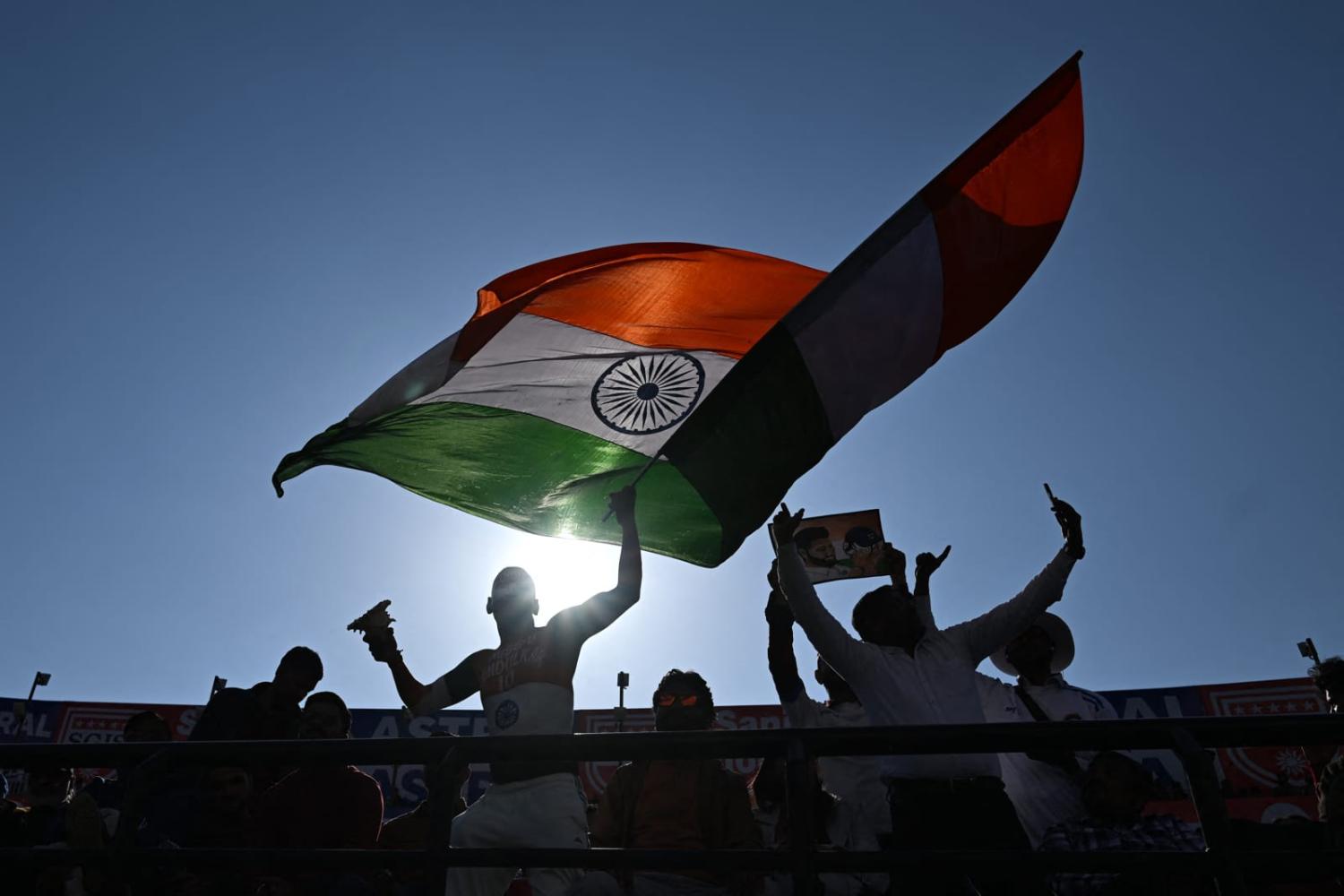
As India appoints a seasoned diplomat as its next ambassador to China, political analyst Sumit Ganguly explains India’s changing geopolitics.
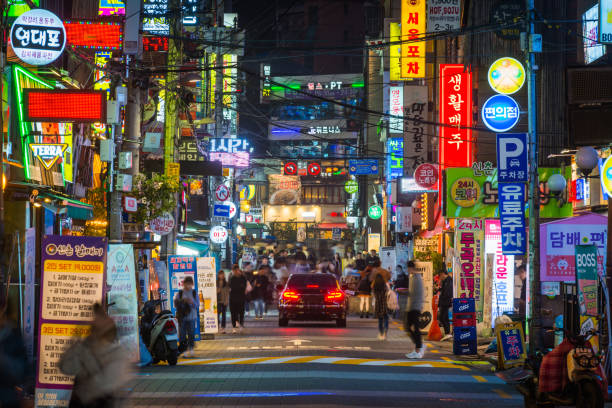
South Korea’s future depends on whether it can shift from viewing migrants as temporary.
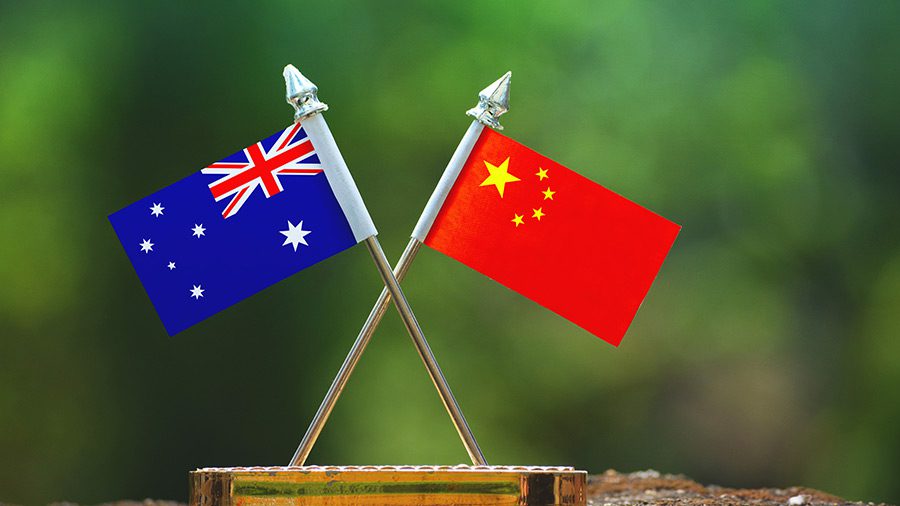
A decade after sealing a landmark trade pact, Australia is reopening the books on its economic ties with China.
Even without a formal closure of the Strait of Hormuz, conflict in and around the Gulf is already altering shipping patterns
And stay on top of the issues that matter most.